Frequently Asked Questions
Can detoxing improve fertility?
Detoxing can potentially improve fertility by promoting overall health and hormonal balance. However, extreme detox diets are unnecessary; gentle lifestyle changes are often more effective for enhancing reproductive health.
What lifestyle changes can support reproductive health?
Lifestyle changes that can support reproductive health include maintaining a balanced diet, engaging in regular physical activity, managing stress, getting adequate sleep, and avoiding harmful substances like tobacco and excessive alcohol. These practices promote overall well-being and hormonal balance.
How does chiropractic care contribute to fertility?
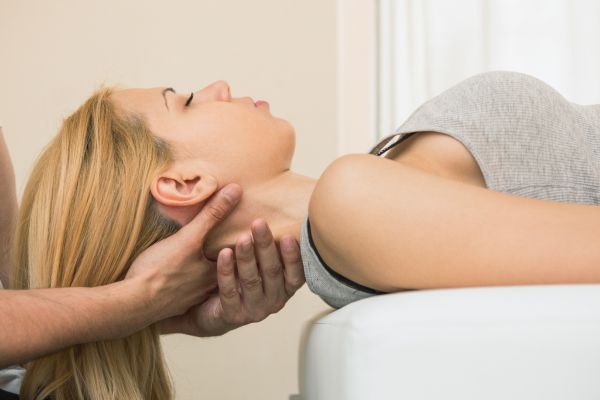
Chiropractic care contributes to fertility by enhancing overall health, improving spinal alignment, and promoting hormonal balance, which can create a more conducive environment for conception. This holistic approach supports reproductive function and overall wellness.
Can detoxing enhance reproductive health effectively?
Detoxing can potentially enhance reproductive health, but extreme detox diets are generally unnecessary. Gentle lifestyle changes are more effective in promoting hormonal balance and overall well-being, which are crucial for fertility.
What are gentle detox methods for fertility?
Gentle detox methods for fertility include incorporating whole, organic foods, staying hydrated, reducing processed foods, and engaging in regular physical activity. Additionally, practices like yoga and mindfulness can support overall wellness, enhancing reproductive health naturally.
How long should a fertility detox last?
The duration of a fertility detox should typically last between one to two weeks. This timeframe allows for gentle lifestyle changes without extreme measures, promoting overall reproductive health effectively.
Are there risks associated with fertility detoxing?
The risks associated with fertility detoxing include potential nutrient deficiencies, hormonal imbalances, and stress on the body. Extreme detox diets can be counterproductive, so it's essential to approach detoxing gently and focus on overall wellness instead.
What foods support a fertility cleanse?
Foods that support a fertility cleanse include organic fruits and vegetables, whole grains, healthy fats, and lean proteins. These nutrient-dense options help detoxify the body while promoting hormonal balance essential for reproductive health.
How does hydration affect fertility detox?
Hydration plays a crucial role in fertility detox by supporting the body's natural elimination of toxins. Adequate water intake helps maintain hormonal balance and optimizes reproductive health, making it essential for those looking to enhance fertility through detoxification.
Can stress impact detoxing for fertility?
Stress can significantly impact detoxing for fertility. High stress levels may hinder the body's natural detoxification processes, potentially affecting hormonal balance and reproductive health. Managing stress is essential for optimizing fertility and supporting effective detoxification.
What role does nutrition play in fertility?
The role of nutrition in fertility is significant. A balanced diet rich in vitamins, minerals, and healthy fats supports hormonal balance and overall reproductive health, enhancing the chances of conception.
How can chiropractic adjustments aid fertility?
Chiropractic adjustments can aid fertility by improving spinal alignment, which enhances nerve function and blood flow to reproductive organs. This holistic approach supports hormonal balance and overall health, creating a conducive environment for conception.
What specific chiropractic techniques support reproductive health?
The specific chiropractic techniques that support reproductive health include spinal adjustments to enhance nervous system function, pelvic alignment to improve blood flow to reproductive organs, and soft tissue therapies to relieve tension, all of which can promote hormonal balance and overall wellness.
How often should one visit a chiropractor for fertility?
The frequency of chiropractic visits for fertility can vary, but generally, it is recommended to see a chiropractor once a week or every other week. This allows for consistent support in enhancing overall health and hormonal balance.
Can chiropractic care help with hormonal balance?
Chiropractic care can help with hormonal balance by improving spinal alignment, which enhances nervous system function and hormone regulation. This holistic approach supports overall health, potentially leading to better reproductive health and hormonal equilibrium.
What lifestyle changes boost fertility naturally?
Lifestyle changes that boost fertility naturally include maintaining a balanced diet rich in whole foods, managing stress through relaxation techniques, engaging in regular moderate exercise, and avoiding harmful substances like tobacco and excessive alcohol.
How does exercise influence reproductive health?
Exercise influences reproductive health by promoting hormonal balance, improving circulation, and reducing stress, all of which can enhance fertility and overall reproductive function. Regular physical activity supports a healthy lifestyle crucial for optimal reproductive outcomes.
What supplements are beneficial for fertility?
The supplements beneficial for fertility include folic acid, omega-3 fatty acids, vitamin D, and CoQ10. These nutrients support reproductive health and hormonal balance, enhancing overall fertility in both men and women.
How does sleep quality affect fertility?
Sleep quality significantly affects fertility. Poor sleep can disrupt hormonal balance, leading to irregular menstrual cycles and reduced reproductive health, while good sleep supports overall well-being and enhances the chances of conception.
Can mindfulness practices improve fertility outcomes?
Mindfulness practices can improve fertility outcomes by reducing stress and promoting emotional well-being. This holistic approach can enhance hormonal balance and overall reproductive health, potentially increasing the chances of conception.
What environmental factors impact reproductive health?
Environmental factors that impact reproductive health include exposure to pollutants, endocrine disruptors, and chemicals in food and household products, which can affect hormonal balance and overall fertility.
How does weight affect fertility and detoxing?
Weight significantly impacts fertility and detoxing. Maintaining a healthy weight can enhance reproductive health, while extreme detox diets may disrupt hormonal balance, making it harder to conceive. Gentle lifestyle changes are more beneficial for fertility.
What is the connection between gut health and fertility?
The connection between gut health and fertility is significant. A healthy gut microbiome supports hormonal balance and nutrient absorption, both of which are crucial for reproductive health and can enhance fertility outcomes.
How can emotional well-being support reproductive health?
Emotional well-being supports reproductive health by reducing stress and anxiety, which can positively influence hormonal balance and overall fertility. A healthy emotional state fosters a more conducive environment for conception and enhances the effectiveness of fertility treatments.
What are common misconceptions about fertility detoxing?
Common misconceptions about fertility detoxing include the belief that extreme detox diets are necessary for improving fertility. In reality, gentle lifestyle changes are more effective and beneficial for reproductive health without the risks associated with drastic detox methods.
How can partners support each other’s fertility journey?
Partners can support each other’s fertility journey by communicating openly, sharing emotional and physical responsibilities, and engaging in healthy lifestyle choices together. This collaborative approach fosters a nurturing environment that enhances both partners' well-being and fertility potential.
What signs indicate a need for a fertility cleanse?
Signs that indicate a need for a fertility cleanse include irregular menstrual cycles, hormonal imbalances, excessive fatigue, and persistent digestive issues. These symptoms may suggest that your body needs support in detoxifying and restoring reproductive health.
How does age affect detoxing and fertility?
Age affects detoxing and fertility by influencing the body's ability to process toxins and hormonal balance. As women age, fertility naturally declines, making gentle detox methods more beneficial to support reproductive health without extreme diets.
What holistic approaches complement fertility treatments?
Holistic approaches that complement fertility treatments include chiropractic care to enhance hormonal balance, nutritional guidance for overall health, and stress-reduction techniques like yoga and meditation, all of which support reproductive wellness.
How can one track progress during a fertility cleanse?
Tracking progress during a fertility cleanse involves monitoring physical symptoms, menstrual cycle regularity, and overall well-being. Keeping a journal can help document changes in energy levels, mood, and any improvements in reproductive health.